Essential Factors to Consider and Types to Check Out When Getting New Shipping Containers
When considering the acquisition of new Shipping containers, a number of critical elements enter into play. Container dimension and planned usage considerably influence the decision. Product types additionally influence toughness and functionality. On top of that, comprehending financial restraints is vital. Each element calls for cautious idea to guarantee the container meets particular demands. The intricacies of these elements can lead to complication. Exploring them more can offer clearness and guide buyers toward an informed option.
Understanding Container Sizes and Dimensions
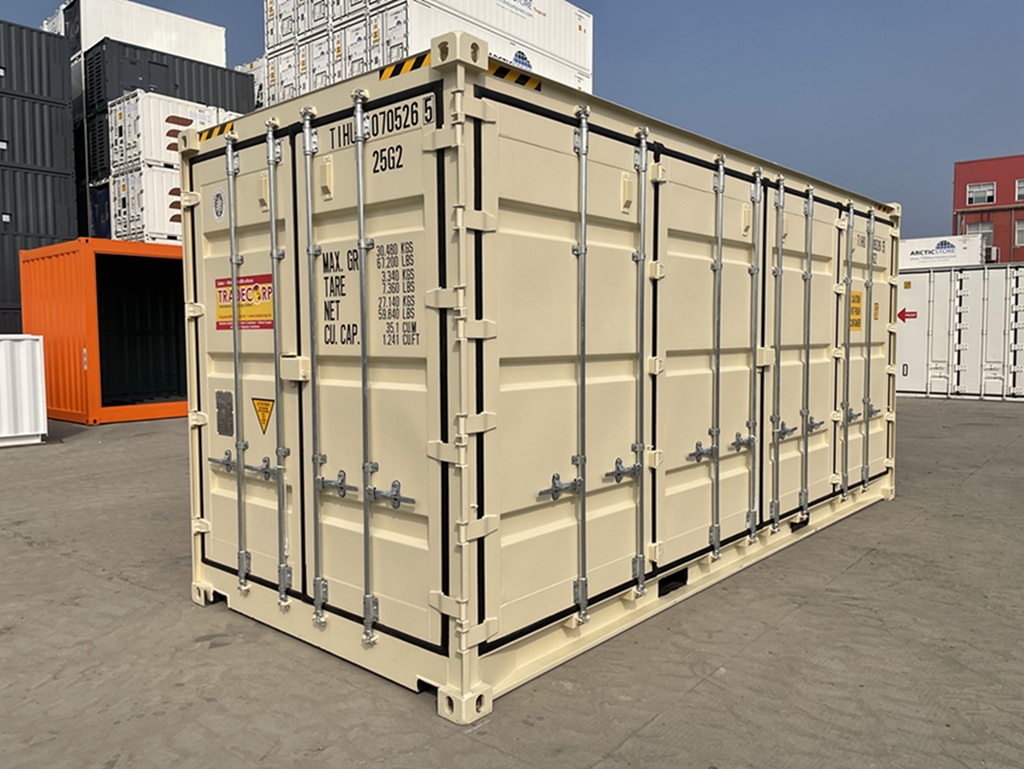
Shipping containers can be found in various sizes and measurements, crucial for meeting certain transportation and storage demands. One of the most typical container sizes are 40-foot and 20-foot units, with the 20-foot container providing approximately 1,160 cubic feet of area, while the 40-foot version supplies concerning 2,390 cubic feet. In addition, there are high-cube containers that give additional height, permitting even more volume and fitting larger cargo.
Specialized containers, such as chilled devices, are available for moving temperature-sensitive goods, while flat shelf containers are developed for large items. When choosing a container, it is vital to evaluate the desired use, as various dimensions can greatly affect Shipping costs and logistics. Comprehending the dimensions and capacity of each container type allows purchasers to make enlightened decisions, making sure reliable transportation and ideal use of space for their freight requires.
Examining Container Problem: New vs. Utilized
When choosing a shipping container, purchasers must take into consideration the problem of the system, whether new or made use of (New Sea Containers For Transportation). New containers provide the advantage of excellent problem, assuring architectural integrity and a longer lifespan. They generally include service warranties, giving comfort for purchasers seeking integrity in transport or storage. However, new containers are commonly a lot more expensive
On the various other hand, used containers can offer substantial expense financial savings. These systems may show indicators of wear, such as rust or damages, but numerous are still structurally sound and ideal for various objectives. Purchasers need to extensively inspect made use of containers for leaks, architectural damage, and overall condition to validate they fulfill their needs. Certification of seaworthiness can likewise be a useful sign of high quality. Ultimately, the decision between used and brand-new containers should align with the customer's spending plan, planned use, and long-lasting prepare for the container.
Product Kinds and Their Implications
While lots of buyers concentrate on the condition of Shipping containers, the product type additionally plays a crucial function in identifying their suitability for different applications. A lot of Shipping containers are constructed from corten steel, known for its toughness and resistance to rust. This makes them suitable for global shipping, where direct exposure to severe weather condition conditions is typical.
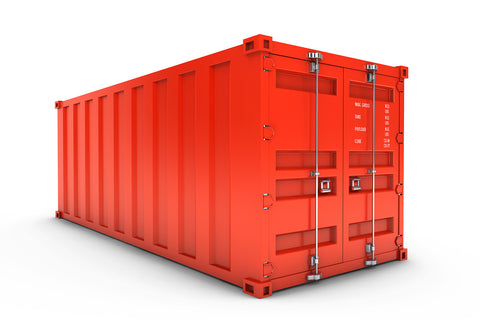
Another alternative includes customized containers made from timber or composite products, suitable for creative applications. Each material type has distinctive effects, influencing resilience, upkeep needs, and additional resources general price - Buy New Shipping Containers. Customers must meticulously analyze these factors to assure their selected container aligns with their intended objective and ecological conditions
Meant Usage: Storage Space, Workplaces, or Living Areas
Determining the meant use a shipping container can substantially influence the selection procedure, as different applications require certain features and adjustments. For storage space objectives, containers might need ventilation, shelving, or climate control to secure products from moisture and temperature changes. Conversely, when developed as office, containers commonly require insulation, electric circuitry, and home windows to create a functional and comfortable working setting.
If the objective is to develop living spaces, additional factors to consider come right into play, such as pipes, improved insulation, and visual surfaces (New Sea Containers For Transportation). Each intended use requires a various method to style original site and functionality, which straight affects the overall cost and feasibility of the job. As a result, understanding the details demands of storage space, office, or living applications is important in making a notified decision when buying a shipping container
Budgeting for Your Shipping Container Acquisition
As prospective purchasers discover the option of acquiring a delivery container, establishing a clear budget ends up being important to the decision-making process. Shipping containers can be found in different dimensions and problems, which significantly influence their rates. New containers typically set you back even more than used ones, however they may provide better sturdiness and less repair services.
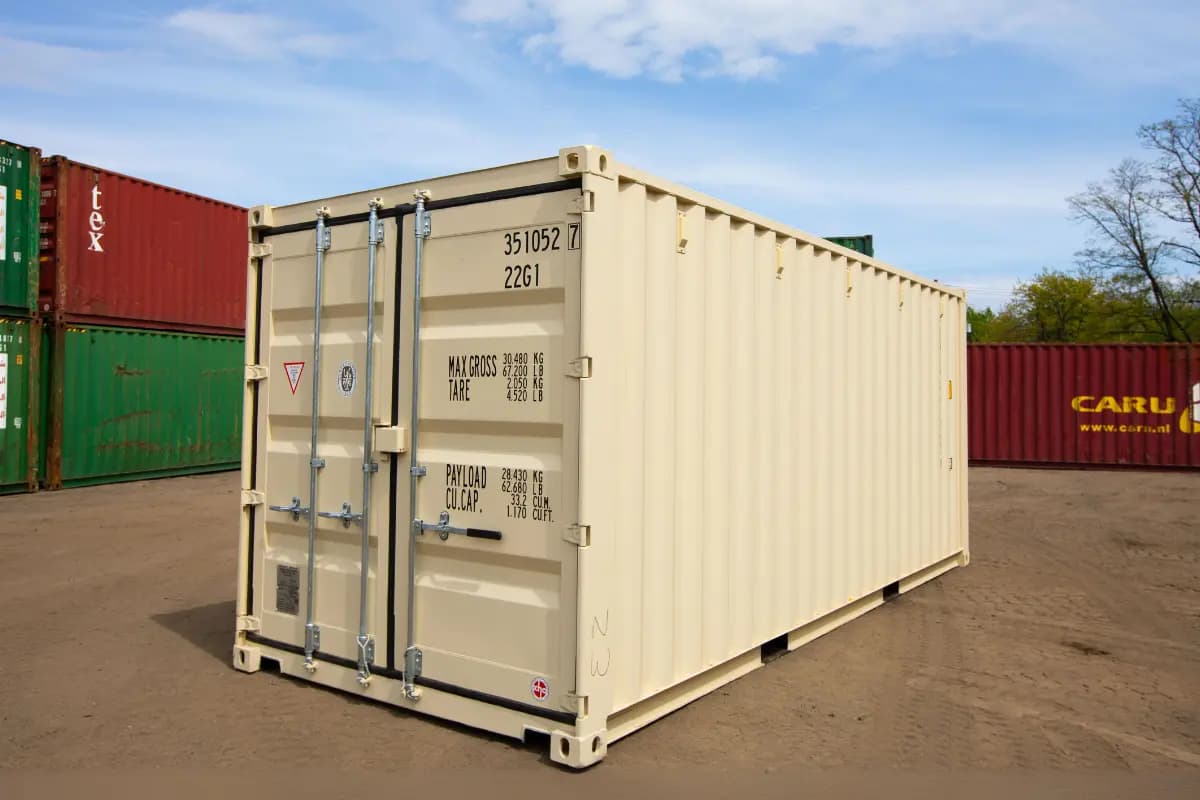
To efficiently manage their budget, buyers should carry out thorough study to compare prices from multiple suppliers and assess the container's condition. By taking these elements right into account, possible buyers can make educated financial choices that line up with their specific demands and long-lasting goals.
Often Asked Concerns
Can I Customize My Shipping Container After Acquisition?
Yes, delivering containers can be personalized after purchase. Proprietors usually change them for various uses, such as including doors, home windows, insulation, or electrical systems, tailoring the container to meet certain needs or choices.
What Permits Are Needed for Positioning a Shipping Container on My Building?
The needed authorizations for putting a shipping container on residential or commercial property vary by location. Generally, property owners should get in touch with neighborhood zoning legislations, developing codes, and perhaps get permits for structures, storage, or land utilize as needed.
Exactly how Do I Transport a Delivery Container to My Place?
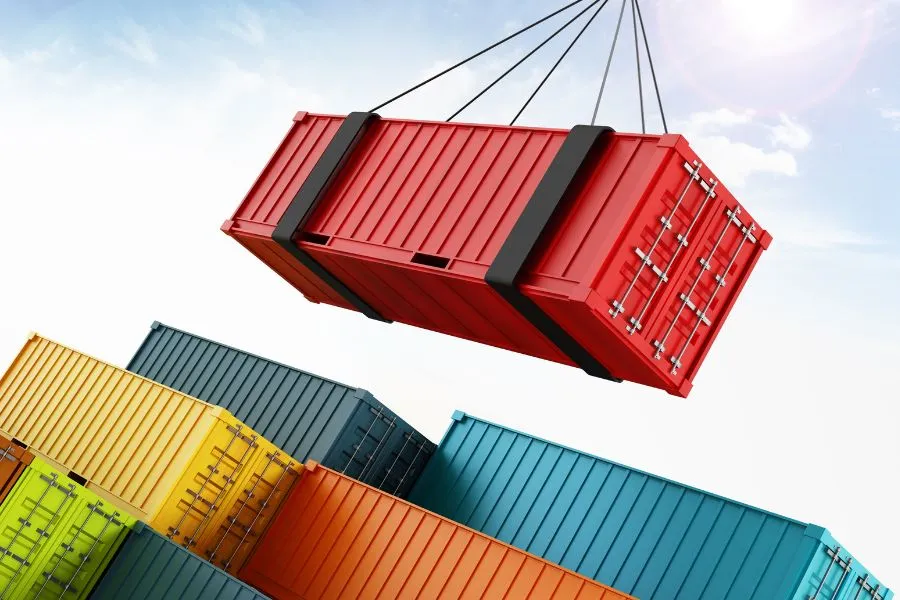
To deliver a delivery container, one should arrange for a flatbed vehicle or specialized container transportation lorry. Proper tools and authorizations are vital to ensure secure delivery and conformity with neighborhood regulations throughout transportation.
Exist Financing Options Available for Purchasing Shipping Containers?
Yes, different funding choices are readily available for acquiring Shipping containers, consisting of finances, leases, and rental visit agreements. Several providers provide flexible settlement plans to fit different budgets and monetary scenarios, making certain access for possible buyers.
What Is the Ordinary Lifespan of a Shipping Container?
The typical life-span of a shipping container commonly ranges from 10 to 25 years, depending upon aspects such as use, upkeep, and environmental conditions. Appropriate treatment can substantially extend the container's durability and use.
The most usual container dimensions are 20-foot and 40-foot devices, with the 20-foot container giving approximately 1,160 cubic feet of space, while the 40-foot version supplies about 2,390 cubic feet. Specialized containers, such as chilled devices, are readily available for carrying temperature-sensitive items, while flat rack containers are designed for large products. When choosing a delivery container, purchasers have to consider the condition of the unit, whether brand-new or made use of. While several customers concentrate on the problem of Shipping containers, the product type likewise plays a vital duty in establishing their viability for numerous applications. To move a delivery container, one must organize for a flatbed truck or specialized container transport vehicle.